On September 11, 2001, the unthinkable forever alters New York City’s skyline. In the wake of the devastating World Trade Centre attacks, for the very first time at 9:45 a.m. (ET) the FAA orders American airspace completely shut down.
More than 4,500 domestic and international flights carrying nearly 1,000,000 passengers over the United States, or heading to it from overseas, either must land without delay at the nearest airport or be diverted to Canada.
America’s closest ally, with remarkable speed and resolve, launches Operation Yellow Ribbon.
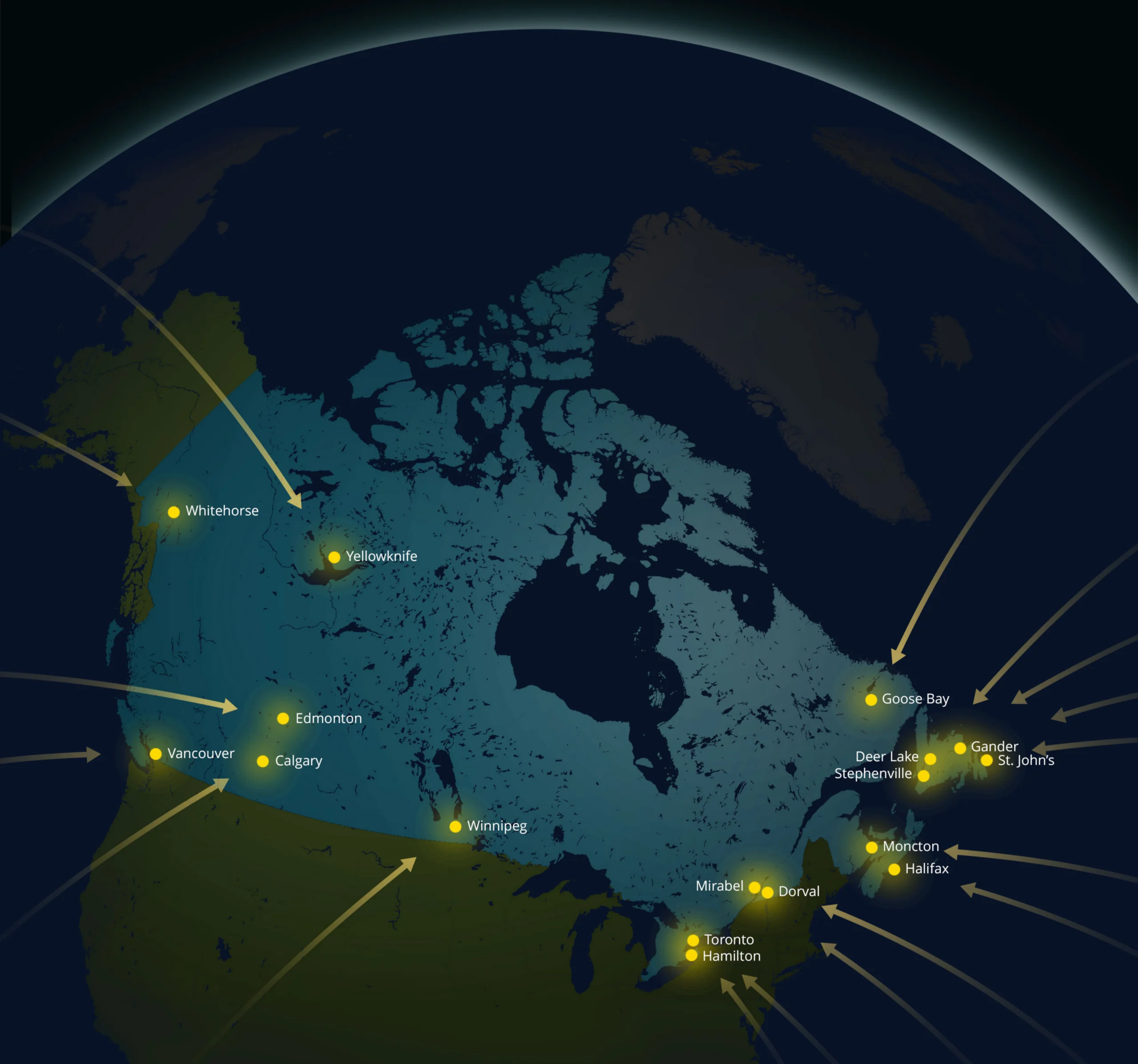
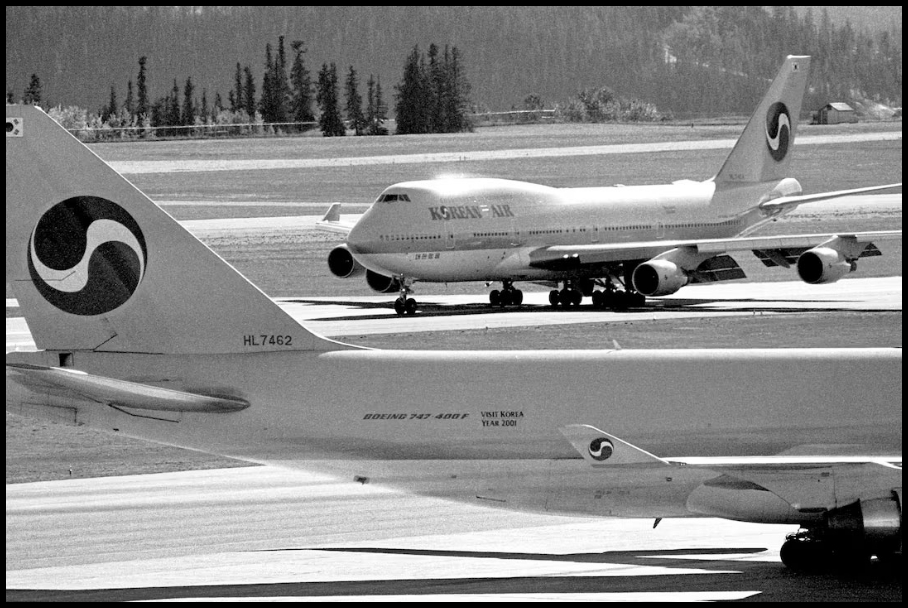
Within five minutes, Canadian air controllers contact close to 500 trans-Atlantic and 90 trans-Pacific flights. Half turn back while the rest, over 230 airliners carrying nearly 33,000 passengers, descend on Canadian airports spread across the country.
At the height of the operation, commercial airliners are entering Canadian airspace at a rate of one to two per minute.
Against insurmountable odds, every aircraft safely lands during the most unprecedented air-traffic control feat ever executed.
Within less than four hours, all airliners have touched down at their designated Canadian airport, where complete strangers meet their passengers with open arms ready to shelter, feed and protect them.
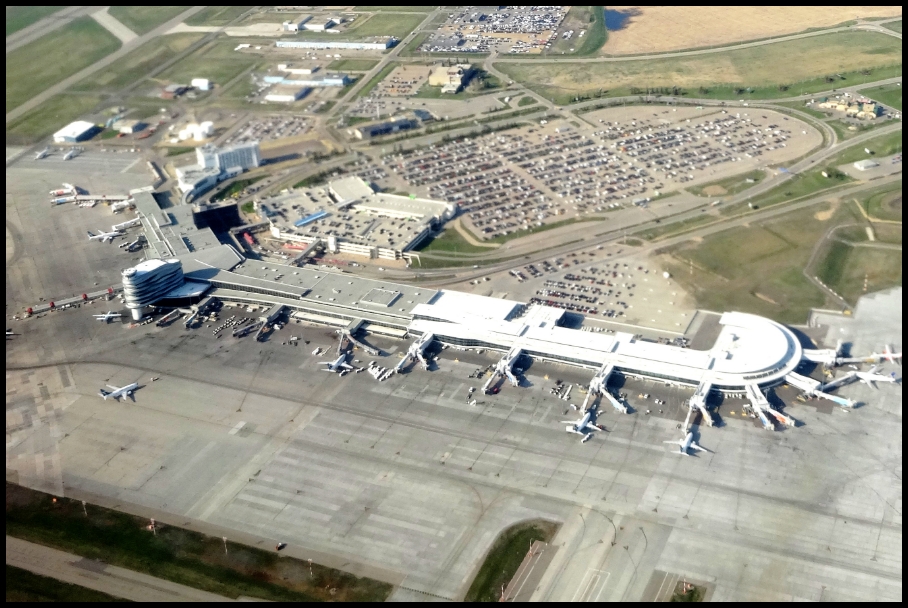
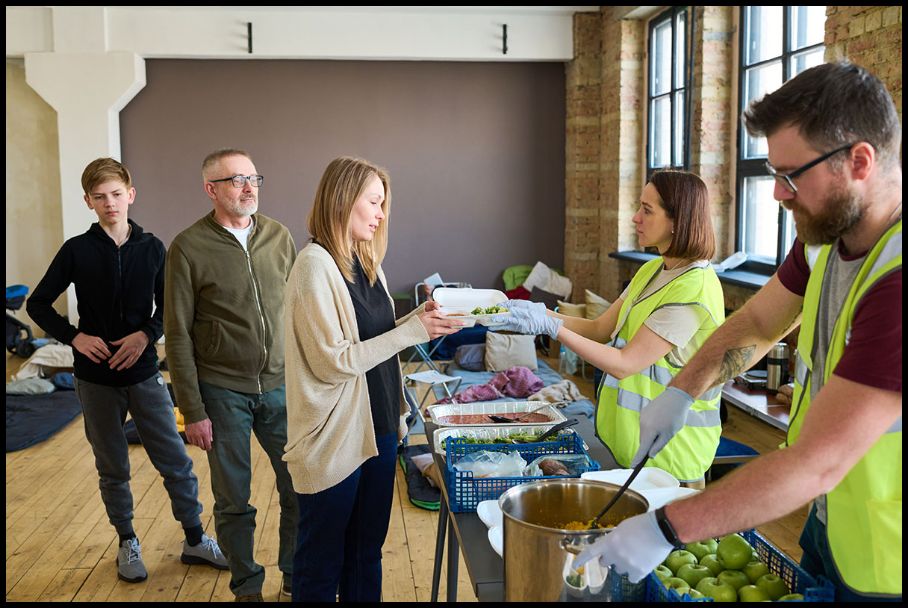
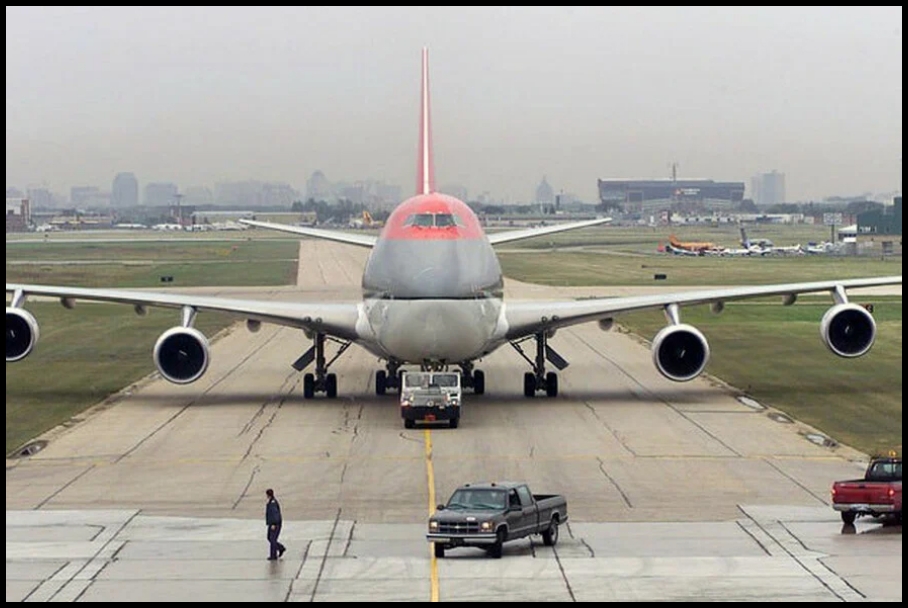

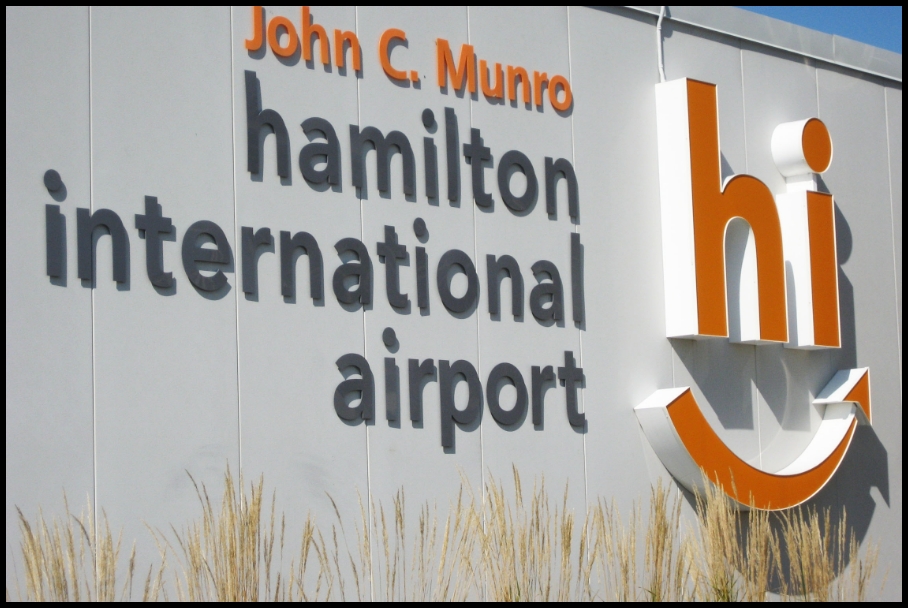

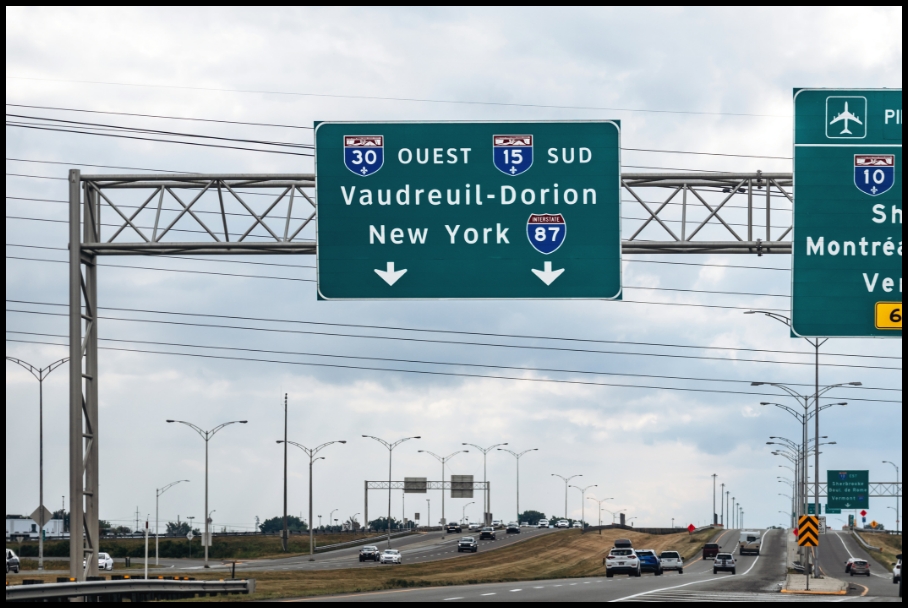
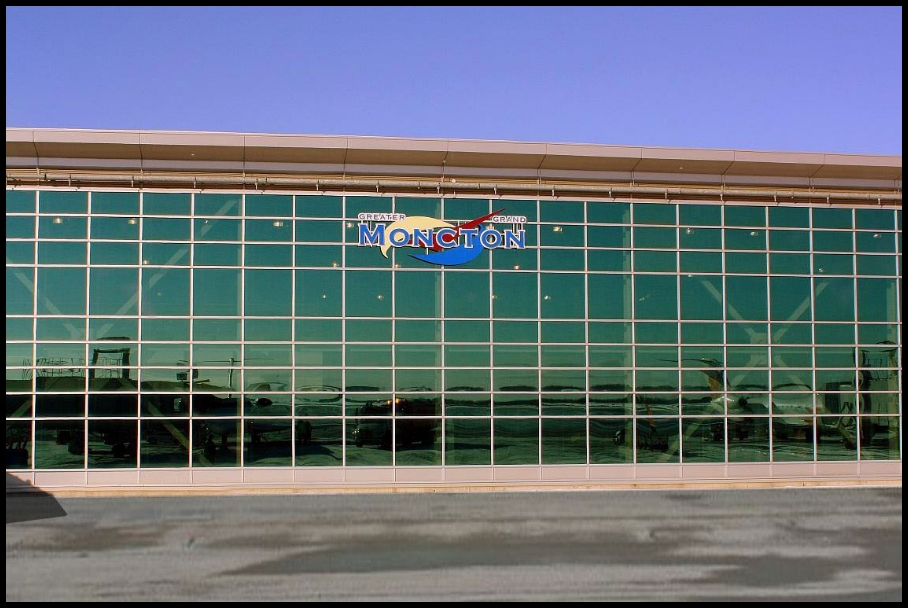
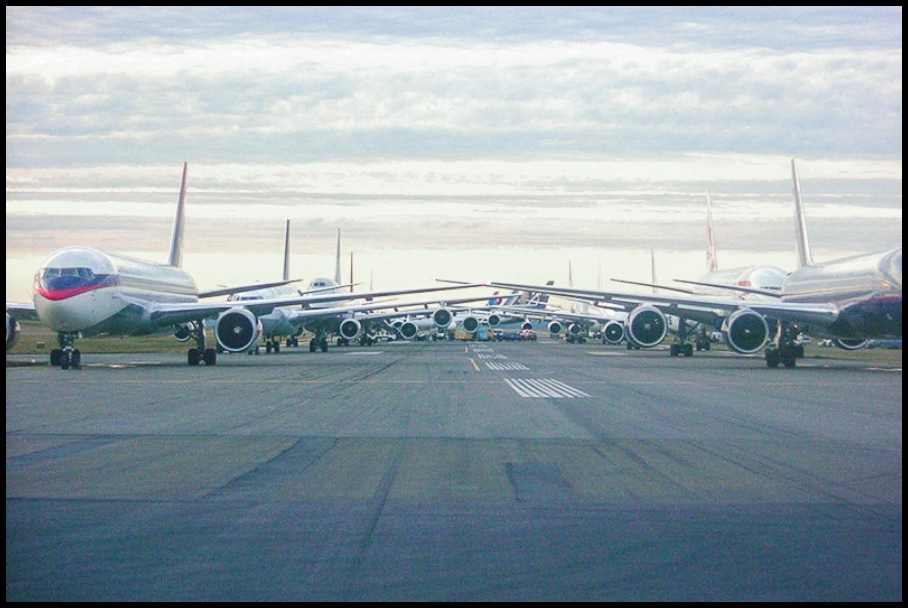

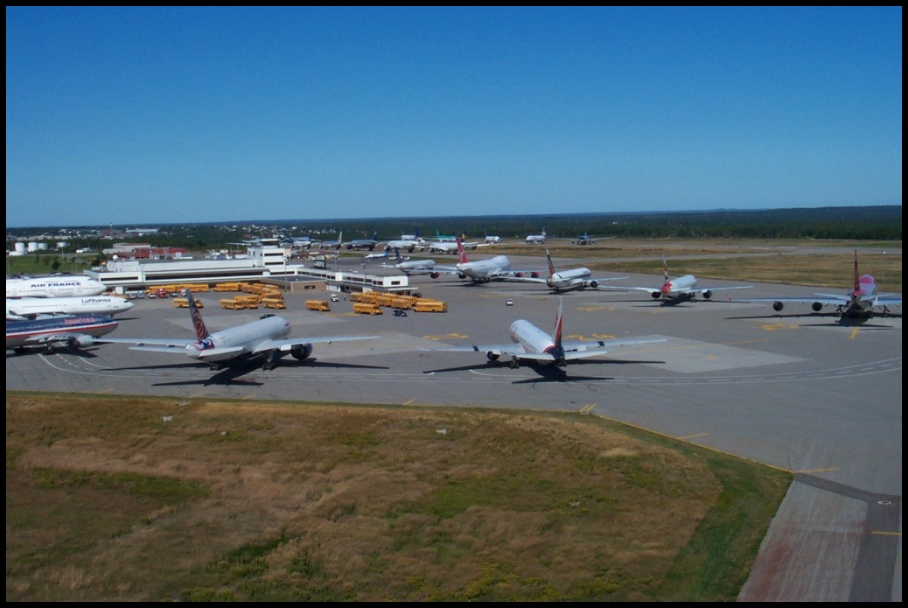
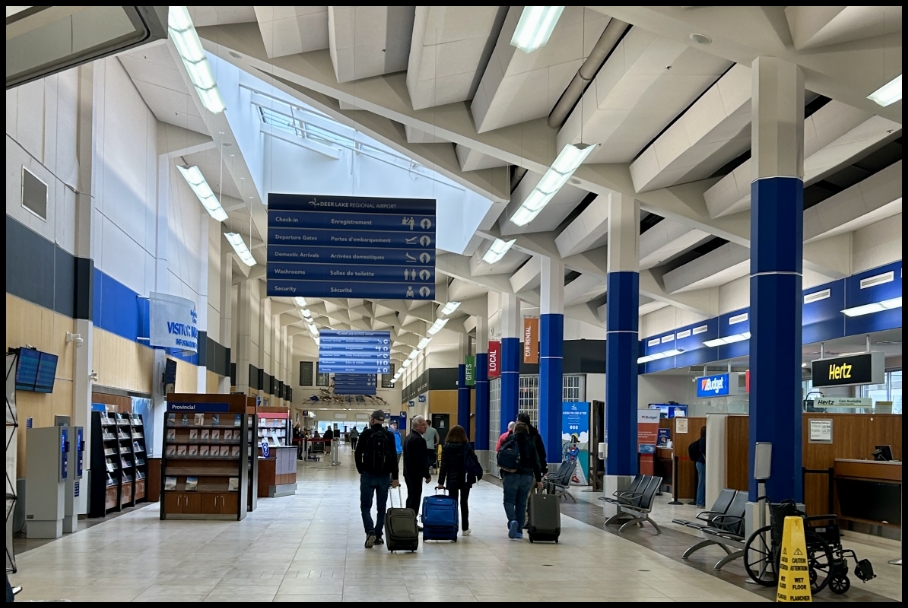
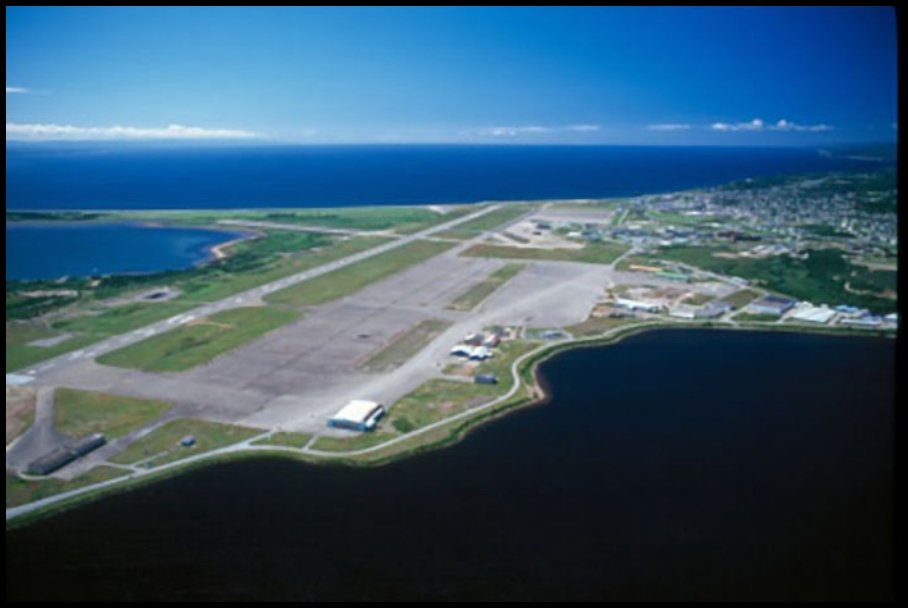
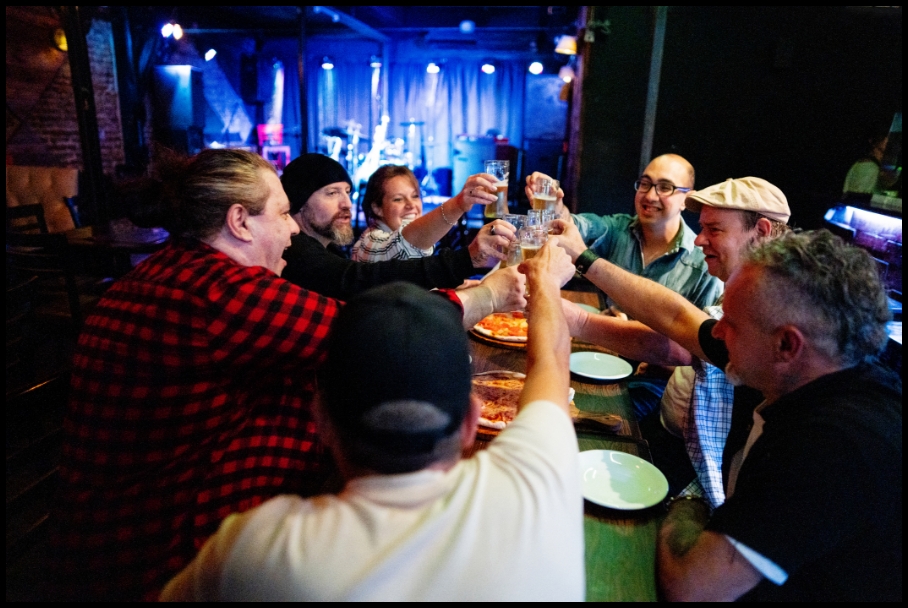
Operation Yellow Ribbon was a logistical triumph. However, on a human level, it was something much rarer—a spontaneous act of humanity.
No one knew whether any of the diverted flights could be involved in additional hijackings. Yet, no one in Canada questioned whether we should help our closest friend to the south. Rather, the question was, how many can we take? Inclusion, not suspicion, ruled the moment.
The unwavering Canadian moral clarity during the 9/11 crisis is studied by behavioural scientists to this day, and remains a relevant model for present and future terrorist and humanitarian crisis response.
The kindness, generosity, and support Canadian communities, across the country, provided to the more than 33,000 stranded passengers had a profound effect on them. Many were inspired to take back the kindness and compassion they experienced to their own communities. And many remain connected to their host Canadian town decades later.